Category: Uncategorized
-

Pilot-Testing All Nations Snuff Out Smokeless
American Indians have the highest rates of smokeless tobacco (SLT) use of any racial/ethnic group in the United States, yet no proven effective cessation programs exist for them. Because tobacco is a sacred plant to many American Indians, cessation programs must not portray it in a completely negative manner. Based on our successful All Nations…
-

Training Wicked Scientists for a World of Wicked Problems
Humanity faces a number of wicked problems, from global climate change and the coronavirus pandemic to systemic racism and widening economic inequality. Since such complex and dynamic problems are plagued by disagreement among stakeholders over their nature and cause, they are notoriously difficult to solve. This commentary argues that if humanity truly aspires to address…
-

Lakota Oral Traditions and Dakota Access Pipeline Resistance
The No Dakota Access Pipeline resistance movement provides a poignantexample of the way in which cultural, spiritual, and oral traditions remain authoritative in the lives of American Indian peoples, specifically the Lakota people. Confronted with restrictions of their religious freedoms and of access to clean drinking water due to construction of the Dakota Access Pipeline…
-

A Community-Based Participatory Research Internship for Native Students
American Indians (AI) are under-represented in the health professions and in medical research. Reasons attributed to this include socioeconomic and culture barriers, lack of educational opportunities, lack of AI mentors and role models, and lack of educational counseling. The American Indian Health Research and Education Alliance (AIHREA) developed a summer internship to provide health and…
-

Baseline Characteristics of Native Smokeless Tobacco Users
American Indians have higher rates of smokeless tobacco (SLT) use than other racial/ethnic groups in the US, yet no efcacious cessation program exists for them. Because tobacco is a sacred plant to many American Indians, it is imperative that a program respect the scared nature of tobacco while encouraging quitting recreational use. All Nations Snuff…
-

One-Time Education Sessions to Help Native Smokeless Tobacco Users Quit
American Indian (AI) smokeless tobacco use rates are the highest of all racial/ethnic groups within the United States. Despite this, no efective cessation program currently exists that acknowledges the cultural significance of tobacco among many American Indian tribal nations. Participants were smokeless tobacco users, over 18 years of age, and were recruited through community partners.…
-

The Persistence of Koinonia Farm in the Post-Jordan Years
Koinonia had been the brainchild of Jordan in the early 1940s as he searched for the best way to live a true Christian life focused on pacifism, equality for all, and a total sharing reminiscent of the early Church as described in the Book of Acts.1 Koinonia Farm, as it was called for the first…
-
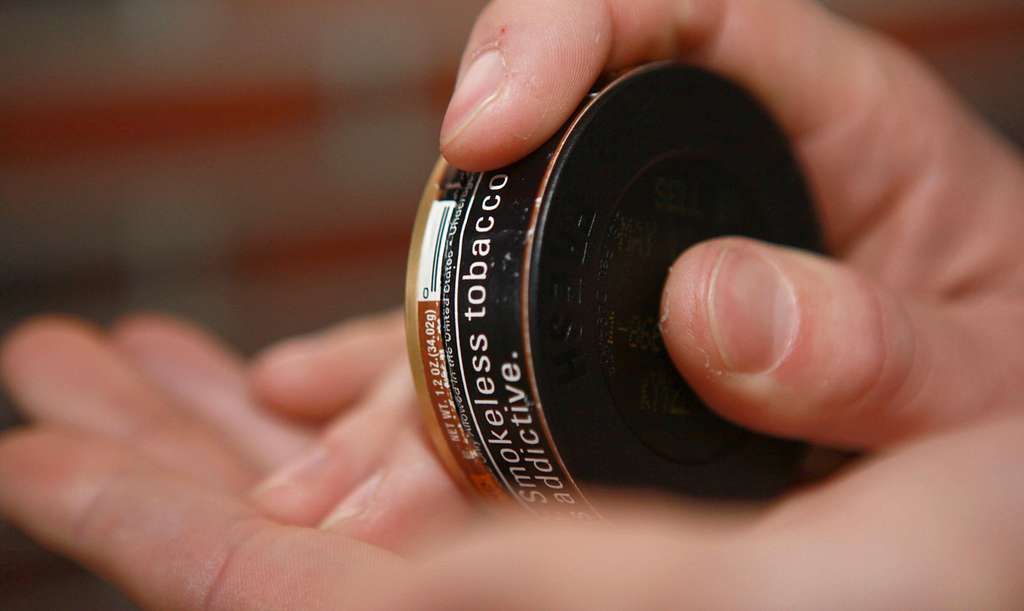
Developing a Culturally-Appropriate Quit Smokeless Tobacco Program for Native Americans
This study describes a multiphasic approach to the development of a smokeless tobacco cessation program targeted for American Indians (AI) of different tribal nations. The authors gathered formative data from a series of focus groups and interviews to investigate the knowledge, attitudes, and beliefs of AI and smokeless tobacco (SLT) use. Predominant themes emerged from…
-

Prescription Misuse Among Natives in the Midwest
Background: Prescription medications, particularly opioids, are often abused rather than used as intended by the prescribing physician. This is well-documented, though little data are available on American Indians. Misuse of other prescription medications is far less documented, but does occur and can have wide-spread effects. Methods: We used a cross-sectional survey of American Indians in…
-
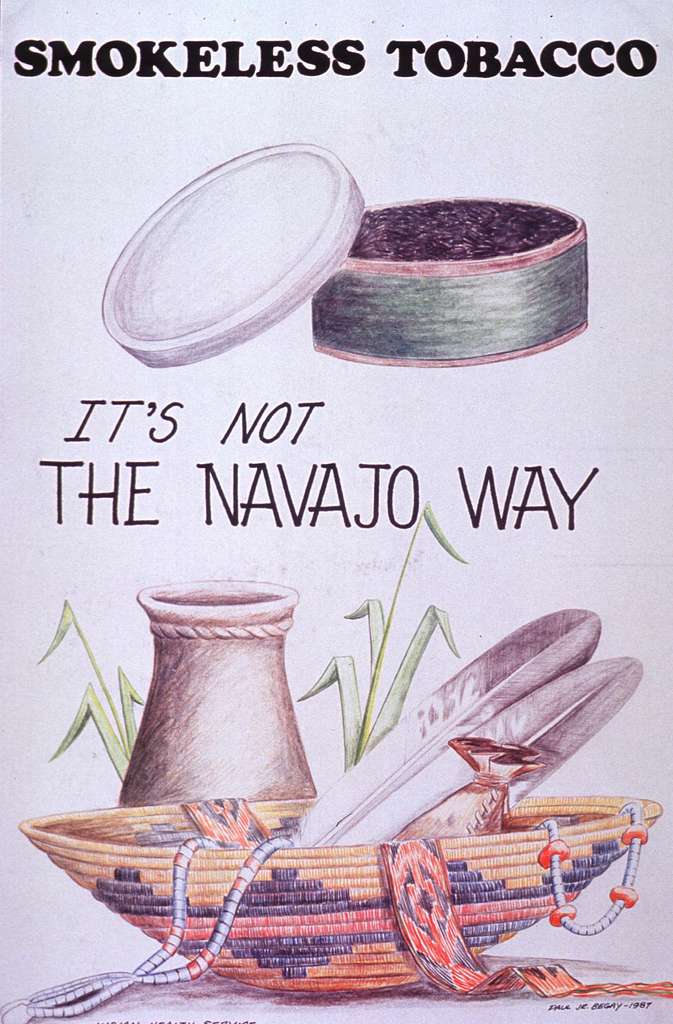
Native Perceptions of Smokeless Tobacco
Though smokeless tobacco (SLT) use has decreased in many communities, concern for American Indian (AI) SLT use remains, as this population continues to be disproportionally affected by SLTrelated diseases. Tobacco has cultural significance to many AI tribes, therefore tobacco cessation messages portraying tobacco as entirely negative may be ineffective. As a part of our formative…
 Ryan Goeckner, PhD, MA