
Tag: ai health
-

Trust in Healthcare Providers Among American Indians in the Midwest
Prescription drug misuse disproportionately impacts American Indian communities, yet limited research explores how trust in healthcare settings affects behaviors related to prescription drug use. Using data from a 2017 cross-sectional survey of 781 American Indian adults in the Plains region, this study aims to examine the association between trust in health information provided by physicians…
-

Developing and Pilot Testing a Culturally Appropriate Telephone-Based Smoking Cessation Program for American Indians
Despite reductions in smoking rates across populations in recent years, American Indians continue to smoke at the highest rates of all racial/ethnic groups in the United States. To address this disparity, an individual telephone-based version of the successful culturally appropriate All Nations Breath of Life smoking cessation program was developed and pilot tested using community-based…
-

Development of a Tobacco Health Literacy Instrument for American Indians
Low health literacy, an established risk factor of poor health outcomes, may be applied to better understand individual health related decisions and actions. Health literacy can help explain why and how people make prevention and treatment choices and is particularly salient in developing interventions among populations experiencing health disparities. American Indians experience the highest smoking…
-

Native Spiritualities and Identities as Influences on Mental Health in American Indian Communities in the Midwest
Spirituality and individual identity are necessary factors to fully understand physical and mental health outcomes in many communities. However, limited research has been conducted to assess the impacts of these constructs within American Indian communities despite rampant health disparities. To begin addressing this gap, a cross-sectional survey (N=968) was conducted in urban and reservation communities…
-

Native College Students and Alternative Tobacco Products
AIHREA researchers recently published our findings from a study to understand how Native college students used and understood alternative tobacco products. We found that, overall, participants viewed electronic nicotine delivery systems and chewing tobacco as primary examples of alternative tobacco products and described a generational divide between alternative and conventional tobacco product use. Alternative tobacco…
-
Tribal Leaders as Health Communicators
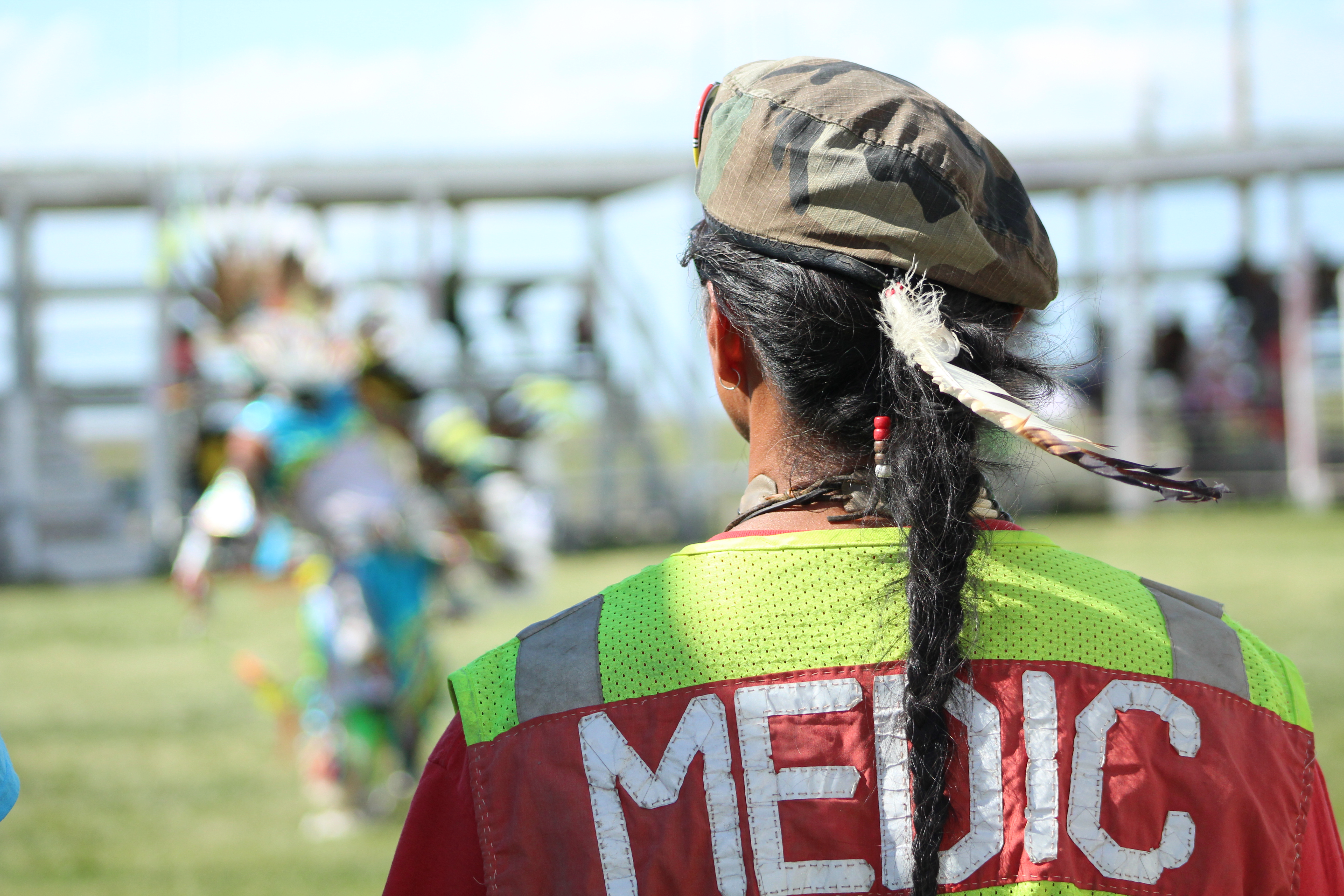
American Indians (AI) are disproportionately and significantly impacted by disease morbidity, mortalityand poor behavioral health outcomes. Health promotion and health communication programs exist to address these health disparities and health conditions; however, few programs fully integrate holistic approaches when targeting AI populations. The objective of this study was to explore how tribal and community leaders…
-
Pilot-Testing All Nations Snuff Out Smokeless
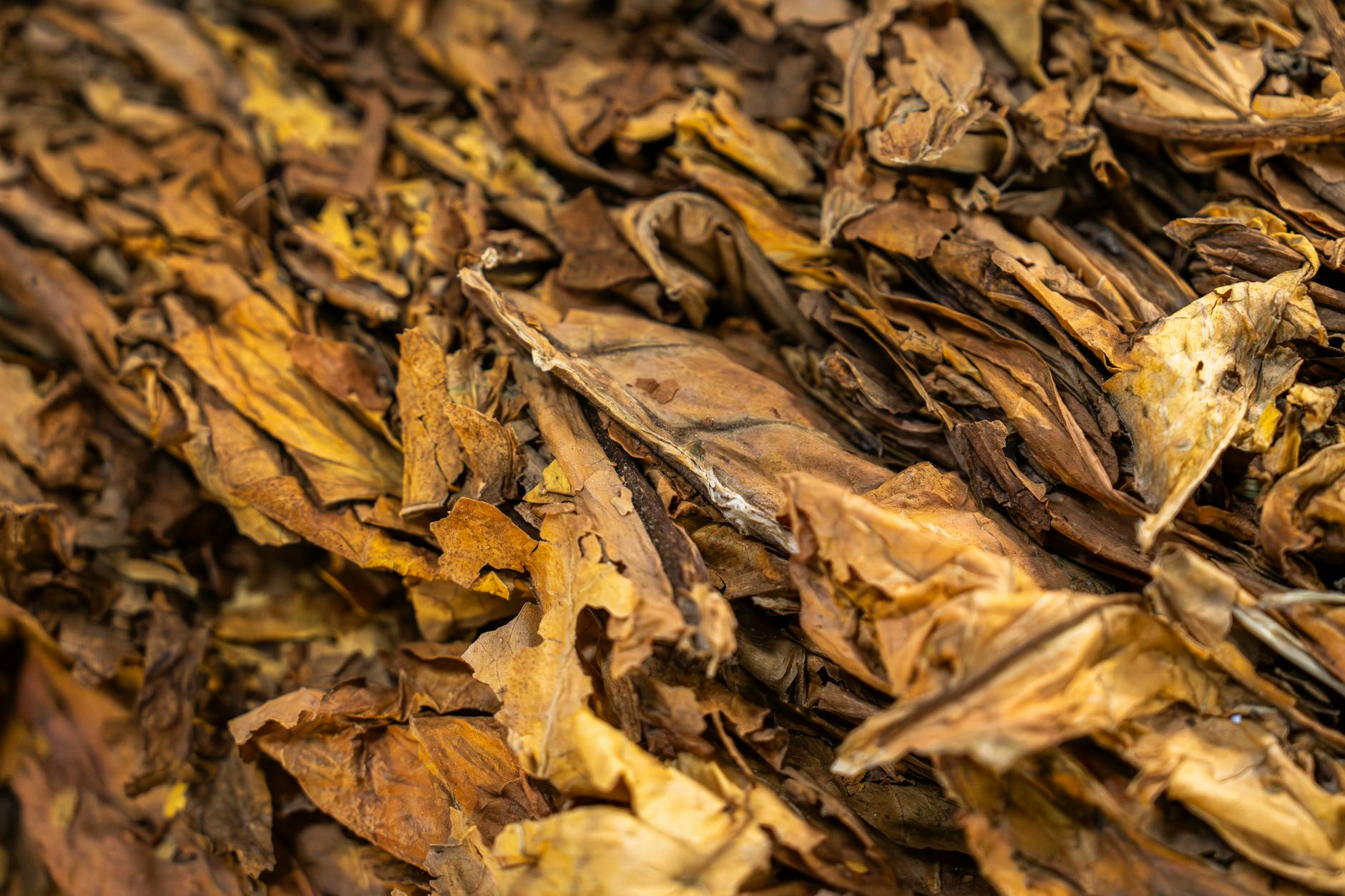
American Indians have the highest rates of smokeless tobacco (SLT) use of any racial/ethnic group in the United States, yet no proven effective cessation programs exist for them. Because tobacco is a sacred plant to many American Indians, cessation programs must not portray it in a completely negative manner. Based on our successful All Nations…
-

A Community-Based Participatory Research Internship for Native Students
American Indians (AI) are under-represented in the health professions and in medical research. Reasons attributed to this include socioeconomic and culture barriers, lack of educational opportunities, lack of AI mentors and role models, and lack of educational counseling. The American Indian Health Research and Education Alliance (AIHREA) developed a summer internship to provide health and…
-

Baseline Characteristics of Native Smokeless Tobacco Users
American Indians have higher rates of smokeless tobacco (SLT) use than other racial/ethnic groups in the US, yet no efcacious cessation program exists for them. Because tobacco is a sacred plant to many American Indians, it is imperative that a program respect the scared nature of tobacco while encouraging quitting recreational use. All Nations Snuff…
-

One-Time Education Sessions to Help Native Smokeless Tobacco Users Quit
American Indian (AI) smokeless tobacco use rates are the highest of all racial/ethnic groups within the United States. Despite this, no efective cessation program currently exists that acknowledges the cultural significance of tobacco among many American Indian tribal nations. Participants were smokeless tobacco users, over 18 years of age, and were recruited through community partners.…